How Experienced Instructors Talk Student Pilots Through Fear Without Pressure
Sep 07, 2026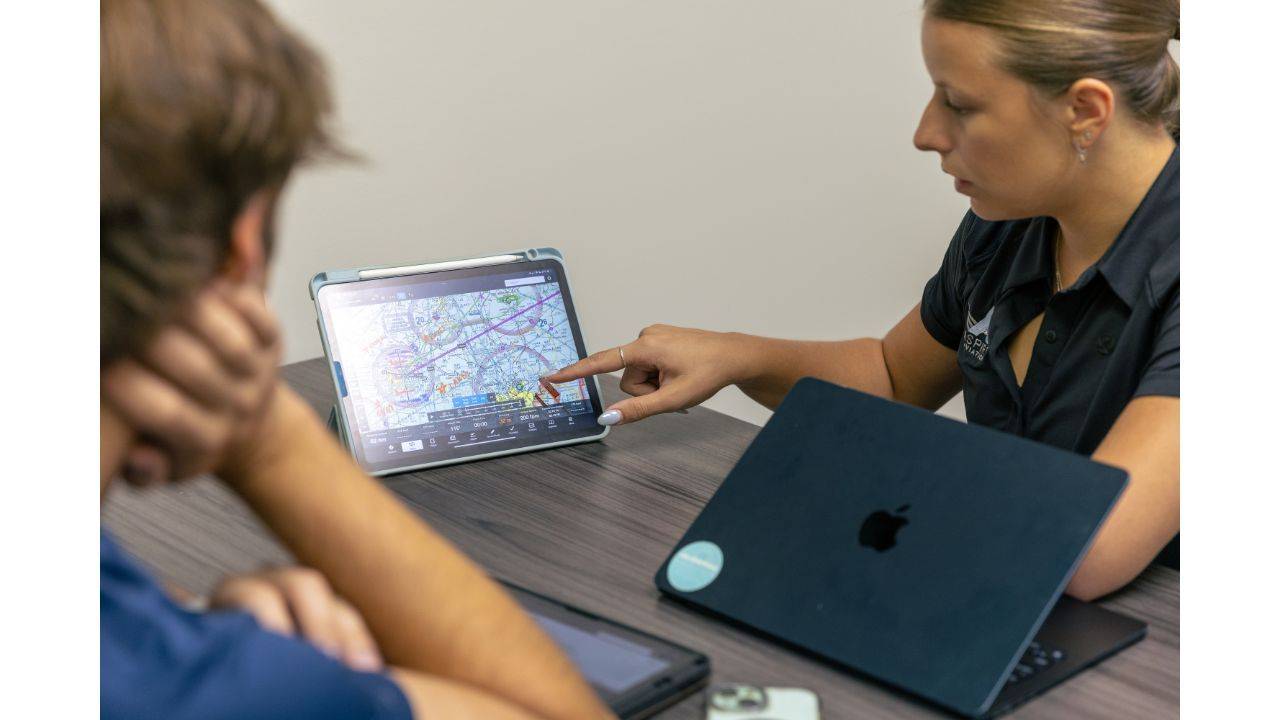
It’s easy to imagine yourself in the pilot’s seat, hands a little sweaty on the yoke, mind racing with all the “what ifs” that come with starting something as big as flight training. Maybe you’ve always wanted to fly, but something about stepping into that small cockpit makes you hesitate. If you’ve ever wondered whether you could really become a pilot—or if those butterflies mean you’re not cut out for it—you’re not alone. Every great pilot, from their first lesson to their checkride, has faced these doubts. The secret isn’t in having nerves of steel, but in having the right teacher by your side.
Turning Flight Fears Into Flight Confidence
Few things stir up both excitement and nerves like your first real taste of flight training. For many, the excitement is tied up with anxiety. What if I freeze up in the air? What if I’m not “technical” enough? What if I make a mistake? These thoughts swirl for anyone dreaming of earning their private pilot license or planning to fly for fun, and they often start well before anyone schedules that first Discovery Flight.
The decision to start training at a flight school can bring up a surprising amount of pressure. It’s not just about learning to fly a plane—it’s about trusting yourself, trusting your instructor, and knowing that you’re in an environment where your fears will be respected and addressed, not brushed aside. At Aspire Aviation and other top-tier flight schools, experienced instructors understand these feelings deeply. They’ve not only guided countless students through the process but have often wrestled with their own flying fears and doubts along the way.
Their approach isn’t about quick fixes or bravado. It’s about real conversations, supportive learning, and a step-by-step structure that builds confidence at your own pace.
Why Flight Anxiety Is More Common Than You Think
Before even booking a lesson, future pilots carry a mental checklist of worries. Some have seen too many sensational headlines. Others have heard stories about “tough love” instructors or grueling lesson plans. Many are concerned about money, time, or simply being good enough to keep up.
A few persistent myths crop up in nearly every initial meeting between instructor and student:
- “You have to be born brave to fly.”
- “If you’re scared, you shouldn’t be in the cockpit.”
- “Pilots are all math wizards.”
- “Flying is unsafe unless you’re perfect.”
In reality, seasoned instructors see fear and doubt as normal. They know that fear is part of the learning process, not a barrier to it. Most importantly, they never use fear as a tool to push students faster than they’re ready to go.
How Skilled Instructors Address Fear Without Pressure
From the very first Discovery Flight, good instructors set the tone: This isn’t a test, and you’re not expected to know everything on day one. Instead, you’ll find a conversation waiting for you on the ramp. Before anyone starts the engine, instructors take the time to talk about your goals and your concerns. This might sound simple, but it’s foundational.
Take the case of Jamie, a college student from Auburn, Alabama, who booked a Discovery Flight after years of dreaming. As the propeller spun up, so did her nerves. “I was sure I’d embarrass myself,” she remembers. “But my instructor noticed right away and asked if I wanted to talk through what each dial did, or if I’d rather just sit and listen for a bit. There was no pressure to perform, only encouragement to ask questions.”
That’s not an accident. Aspire Aviation’s approach combines a transparent process and structured syllabus with flexibility. This means that the path to your private pilot license or instrument rating isn’t a mystery. Every lesson builds on the last, and each new concept gets its moment in the sun, so you never feel rushed.
Debunking the Biggest Myths About Flight Training
The best instructors know that tackling myths head-on goes a long way toward building trust. When students mention a fear, instructors take it seriously and respond with facts, personal stories, and sometimes a little humor.
“Flying is unsafe.”
Every flight starts with safety checks and a clear plan. Instructors explain exactly how each system works and how risks are managed, turning the unknown into something manageable.
“You need superhuman reflexes or math skills.”
Most flight training tasks are about staying organized, not reacting with split-second timing. Technology, checklists, and a well-designed syllabus do most of the heavy lifting.
“If you mess up once, you’re done.”
Learning to fly means making mistakes and learning from them. Instructors share stories of their own mistakes (and how they learned from them), which breaks the ice and helps students relax.
“You have to be fearless.”
Instructors often reveal their own early nerves. The difference is, they had a supportive mentor who believed in them. Their belief in you is real, not conditional.
The Role of Structure and Transparency
For students who thrive on predictability, a structured training plan can be a lifeline. Aspire Aviation’s syllabus clearly lays out each step: what you’ll learn, how you’ll practice it, and how progress will be measured. This isn’t about ticking boxes—it’s about giving students a roadmap so nothing comes as a surprise.
Transparent pricing and flexible scheduling add another layer of comfort. No one likes uncertainty when it comes to cost or fitting lessons around work or family. By removing those unknowns, schools create an environment where students can focus on learning rather than worrying about logistics.
Building Confidence, One Lesson at a Time
Every instructor has their favorite stories about students who started out terrified and grew into calm, capable pilots. The transformation happens gradually. Maybe it’s the first time a student handles the controls for a few minutes and realizes, “I can do this.” Maybe it’s the smile after a smooth landing, or the laugh that follows a clumsy radio call.
Instructors at Aspire Aviation and similar schools know these milestones matter far more than any written exam. They keep lessons relaxed and focused, using humor, clear explanations, and empathy. If a student struggles, instructors adapt, slowing down the pace or approaching a topic from a new angle. There’s never any shame in asking for help or repeating a maneuver.
As students gain skill, instructors shift from hands-on guidance to gentle encouragement, always ready to step in if needed but eager to let students build confidence through experience.
How a Discovery Flight Makes All the Difference
For anyone on the fence about flight school, nothing compares to booking a Discovery Flight. This single flight is designed to offer a taste of the real thing—with zero pressure to commit. Instructors know first flights can be overwhelming, so they keep the focus on comfort and curiosity.
During a Discovery Flight, students learn about the controls, participate as much or as little as they want, and get a sense of the view from the pilot’s seat. No pop quizzes, no trick questions, and no need to pretend you’re fearless. Instructors invite questions, walk through the process step by step, and celebrate every small victory.
By the time the plane returns to the ground, many students realize that flying is both more approachable and more exciting than they’d imagined. Most importantly, they know there’s a path forward that fits their pace and personality.
A Supportive Path to the Cockpit
The road to a private pilot license, instrument rating, or commercial certificate isn’t reserved for the naturally brave or the technically gifted. It’s open to anyone with curiosity, determination, and the right support. Experienced instructors at Aspire Aviation have guided students from all backgrounds, using compassion, structure, and transparency to turn anxiety into achievement.
You don’t have to face your fears alone or feel rushed through your learning. Book a Discovery Flight today to experience firsthand how a supportive instructor can help you take the first step toward the sky. Every confident pilot starts with one flight—and the right teacher by their side.