How Instructors at Strong Schools Tailor Lessons to Your Learning Style
Sep 06, 2026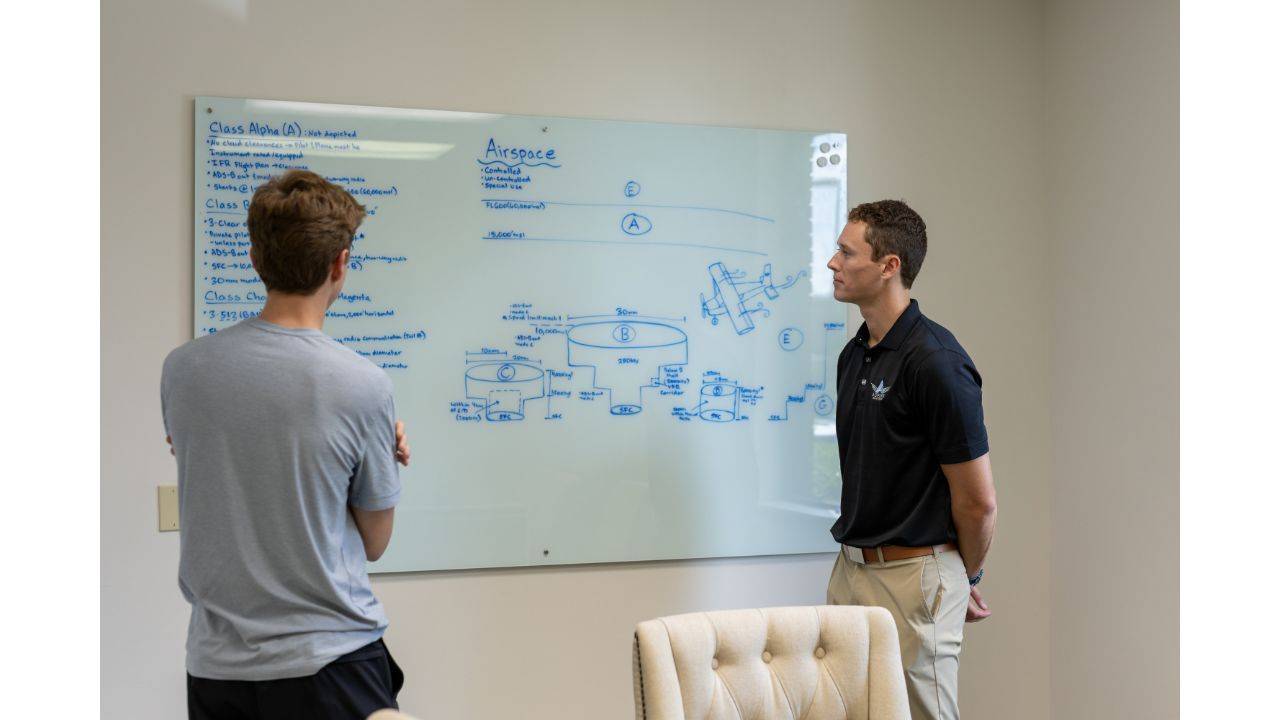
Everyone remembers their first day in a cockpit—the anticipation, the dash of nerves, and the mix of excitement as the propeller spins to life. For many new students, choosing a flight school feels like standing at a crossroads without a clear sign pointing forward. Beyond aircraft and checklists, what truly shapes a pilot’s early training is something less tangible but far more influential: the connection with their flight instructor.
The Heart of Flight Training
No one learns to fly alone. Even the most determined future aviator needs a guide in the left seat—a mentor who explains, listens, and adjusts as you grow. At the center of every successful pilot’s story is a strong relationship with an instructor who understands not only the rules of the sky but also how each student best absorbs them.
For those weighing their options in pilot training—from Auburn, AL to Fairhope and beyond—the question isn’t only about fleet size or pass rates. It’s about how you’ll be taught. Will you feel heard and supported? Will your lessons fit you as an individual, or will you be pushed through a one-size-fits-all syllabus? Strong schools know that the answer shapes everything, from your first takeoff to your final checkride.
Why the Instructor-Student Relationship Matters
Think back to a time when you learned something new, whether it was riding a bike, speaking another language, or even grilling the perfect burger. The person teaching you probably made all the difference. Maybe they encouraged you at the right moment, noticed when you got stuck, or knew how to explain things in a way that clicked for you.
Flight training is no different. The environment inside a training aircraft is part classroom, part confessional, and part testing ground. It’s where you can practice and demonstrate your skill development and get the guidance you need from your instructor. A trusting relationship makes all the difference when you’re learning to coordinate hands and feet, manage radio calls, or push through a tough maneuver. If you feel comfortable admitting what you don’t know or asking for a second explanation, you’ll learn faster and retain more.
This relationship becomes the foundation for every lesson. Instructors who invest time in understanding how you learn can spot when you need more practice, when you’re ready to advance, and even when you’re quietly struggling. At Aspire Aviation, and other schools that prioritize the student-instructor bond, that awareness leads to real results: less wasted time, fewer frustrating plateaus, and more confidence on every flight.
The Power of Personalized Instruction
You’ll meet pilots who remember the exact moment their instructor changed how they saw flying. Maybe a complicated concept finally made sense when explained with a hands-on demo, or a skill stuck after the instructor drew out a diagram during a preflight brief.
No two students learn the same way. Some absorb information best by reading the syllabus and reviewing checklists. Others need to see procedures in action. Many benefit from repeated practice and immediate feedback in the cockpit. Strong instructors pick up on these differences right away. They may notice you ask lots of questions before a flight, or that you process feedback better while reviewing flight video together after landing.
Here’s what tailored teaching looks like in action:
- The instructor asks about your aviation goals from the start, whether you’re pursuing a private pilot license, aiming for a commercial career, or seeking an instrument rating.
- Lessons blend a structured syllabus with flexible adjustments. If you master landings quickly, your instructor moves you ahead. If crosswind landings trip you up, the syllabus makes space for extra practice.
- Communication feels natural and honest. There’s no judgment for asking questions or revisiting a topic, whether it’s weather briefings or radio procedures.
- Each lesson ends with feedback that feels clear and actionable, not rushed or vague. You leave every session knowing what you did well and where to focus next.
Strong flight schools build these principles into their training. You see it in how instructors document each lesson’s progress and customize your training plan after every flight.
Trust and Transparency: The Cornerstones of Effective Training
Choosing a flight school often brings up a set of familiar worries. Will I get stuck with an instructor who’s always in a hurry? Will I know what I’m paying for? Will I end up wasting hours on lessons that don’t move me forward?
Transparency in the training process solves many of these concerns. At a quality school, you know the syllabus up front, and each milestone in your training comes with clear expectations. You can track your progress, review what’s next, and see how your lessons fit together—from early pattern work to the day you prep for your checkride.
This approach does more than keep you organized. It gives you confidence that your investment of time and money is building toward something real. When you see how your instructor adapts lessons to your strengths and addresses your weak spots, you know you’re not being shuffled through a generic program. You’re on a path built for you.
The same transparency should apply to pricing and scheduling. If a school posts clear pricing for each lesson and offers flexible scheduling, you spend less time worrying about hidden fees or whether lessons will fit your calendar. That leaves more energy for learning.
Making Progress: A Day in the Life with an Engaged Instructor
Let’s walk through a typical lesson at a school where personalized instruction is the norm.
You arrive for your scheduled flight lesson in Auburn, Fairhope, Lanett, or Pascagoula. Your instructor greets you and reviews today’s objectives, tying them to your last session. Maybe you’re working on slow flight and stalls, or practicing emergency procedures.
During preflight, your instructor asks how you felt about last week’s maneuvers. You mention that you’re still a bit uneasy about stall recovery. Instead of rushing ahead, your instructor talks you through the aerodynamics in plain language, then demonstrates the maneuver in flight, walking through each control movement as you watch.
When it’s your turn, you fly the stall recovery step by step, receiving patient feedback as you go. After landing, you debrief together, reviewing what went well and where you can improve. Your instructor makes notes in your training log and updates your training plan, marking where you’ve shown proficiency and where you’ll focus next time.
Throughout the process, the lesson feels like a partnership. There’s no pressure to pretend you understand something when you don’t. Questions are encouraged. Every achievement is celebrated, no matter how small.
Flexible Scheduling for Real Life
Aspiring pilots juggle real-world obligations. School, work, and family life rarely fit neatly into the demands of aviation training. That’s why flexible lesson scheduling isn’t a luxury—it’s a necessity.
Strong schools respect your time by offering a variety of training times, including weekends and evenings when possible. If you need to adjust your lesson schedule or reschedule due to weather, the process is clear and respectful. Your instructor works with you, not against you, so you never feel left behind or forgotten.
That flexibility, paired with a structured syllabus, ensures you make steady progress without sacrificing your other commitments. It helps you stay motivated and focused, rather than feeling stressed or rushed.
The Path to Confidence: Discovery Flights and Beyond
For many future pilots, the first big step is booking a Discovery Flight. This low-pressure experience lets you meet an instructor, see how lessons are tailored, and get a feel for both the aircraft and the school’s teaching style.
During a Discovery Flight, you’re in the pilot’s seat from the start. The instructor guides you through the preflight inspection, helps you understand what each instrument does, and then, with guidance, lets you take the controls once airborne. You’ll experience firsthand how a good instructor explains, listens, and adapts based on your reactions. The flight concludes with a relaxed conversation about what you enjoyed and any concerns you have, setting the tone for a supportive, personalized training relationship.
From there, your instructor and the school work together to map out a plan that fits you. Whether you want to train for a private pilot license, add instrument or commercial ratings, or prepare for CFI and CFII checkrides, each step aligns with your learning pace and style.
How to Build a Lasting Instructor Partnership
Building a strong relationship with your instructor doesn’t happen by chance. It’s a two-way street, shaped by communication, trust, and shared goals. Here’s how you can make the most of this partnership:
- Speak up about how you learn best. If you need more time with diagrams or prefer hands-on practice, let your instructor know.
- Be honest about your concerns and challenges. Instructors value your feedback and use it to adapt their teaching.
- Track your progress together. Review your training plan after each lesson and ask questions about next steps.
- Stay open to feedback, both positive and constructive. Growth happens fastest when you treat lessons as conversations, not performances.
- Keep your eyes on your ultimate goal, whether that’s flying for fun, pursuing a career, or mastering advanced ratings. A good instructor will celebrate your wins along the way.
A Personalized Path to Your Pilot’s License
Choosing the right flight school means more than comparing prices or checking locations. The real difference lies in how schools like Aspire Aviation focus on the instructor-student relationship, tailoring lessons to fit your goals, learning style, and schedule. This approach turns flight training into a supportive, efficient, and even joyful process.
Your next step is simple: book a Discovery Flight. Meet an instructor, get a feel for personalized teaching, and see how a flexible, transparent program puts you in the captain’s seat of your own learning. Start building the skills and confidence that will stay with you every time you fly. No Changes