Why Consistent Briefings and Debriefings Signal a Safer Training Environment
Sep 06, 2026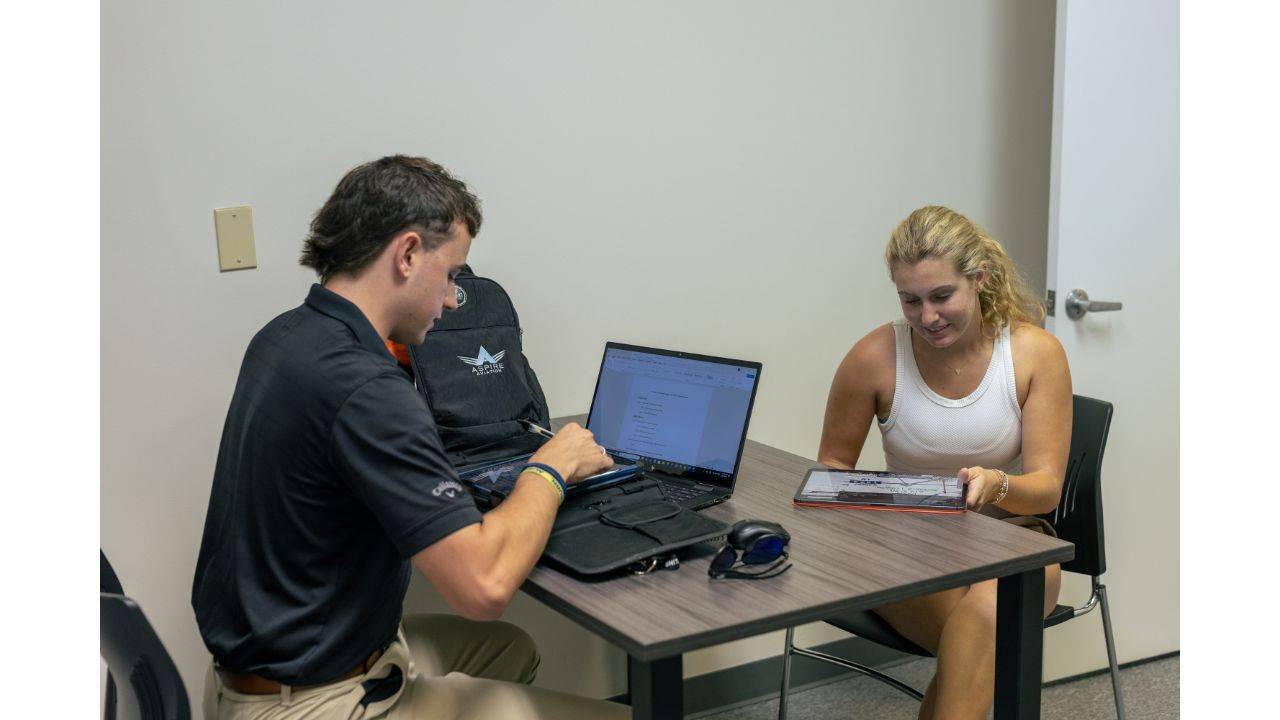
A smooth flight starts well before the propeller spins and continues long after the wheels touch down. At Aspire Aviation, this philosophy shapes every lesson, creating a learning environment where safety and skill go hand in hand. The moments spent talking through a flight before takeoff and reflecting on it afterward might seem routine, but they set the stage for everything that follows in your pilot training. These structured conversations, known as briefings and debriefings, are where confidence takes root and safety becomes second nature.
The Foundation of Safe, Confident Flying
Stepping into the cockpit for the first time brings a mix of excitement and nerves. For many new students, the thrill of taking flight is shadowed by worries: What if I forget a step? How do I know I’m truly ready? Is this flight school the right fit for me? These questions are not only normal but are also the starting point for growth.
At Aspire Aviation, we believe that clear, consistent communication turns uncertainty into understanding. The way instructors brief students before a flight and review each flight afterward sets a tone of openness and trust. These sessions turn every lesson into a chance to build safe habits, learn from real scenarios, and grow more confident, one flight at a time.
Structured Communication: More Than a Checklist
A briefing isn’t just a box to tick before you grab your headset. It’s an open conversation in which the instructor and student map out the flight plan, highlight the lesson’s goals, discuss weather conditions, and consider potential surprises. This step pulls everyone onto the same page, ensuring there are no half-understood expectations or silent questions. At Aspire Aviation, instructors guide you through each element, showing that preparation is more than memorizing procedures—it’s about being ready for real-life situations in the air.
After landing, the debriefing takes that shared plan and looks back at what actually happened. What went smoothly? Where did the plan need to adjust in the moment? Which new skills started to click, and where do you need more practice? By talking openly and specifically about what worked and what didn’t, students get feedback that’s grounded in the real events of the lesson.
This structure isn’t rigid. Instead, it offers a flexible framework that supports students with changing schedules and gives each lesson a clear purpose. Whether you’re on the path to a private pilot license, aiming for instrument rating training, or working toward commercial pilot training, these conversations keep you focused and moving forward.
Safety Grows in the Details
Aviation is built on details. Small things—a missed radio call, a misunderstood instruction, a moment’s distraction—can quickly pile up in the cockpit. Consistent briefings and debriefings train your mind to notice those details. When you talk through what’s coming, you learn to spot potential trouble before it grows. When you look back at what happened, you see how choices and habits stack up over time.
For example, in private pilot license training, an instructor might walk you through a weather briefing, identifying signs of possible turbulence or shifting wind patterns. During the flight, you might encounter a crosswind landing you hadn’t faced before. In the debrief, you’ll break down how you handled it, what you did well, and how you can improve next time. This steady cycle of plan, act, reflect becomes second nature, setting up a mindset where safety is automatic, not an afterthought.
Confidence Starts With Clarity
When students first arrive at Aspire Aviation, many share the same concern: How can I be sure I’m learning what I need to fly safely? Transparent communication is one answer. Each briefing spells out exactly what you’ll work on that day. Each debrief connects the dots between what you did in the cockpit and the standards you’ll need to meet for your checkride and beyond.
This clarity matters whether you’re based in Auburn, Fairhope, Lanett, or Pascagoula. No matter your home airport, you get a consistent approach that respects your learning style and pace. Flexible flight lesson scheduling means training adapts to your life—not the other way around. You see your progress clearly, and you always know what’s next.
Building Trust: The Mark of a Professional Flight School
Choosing a flight school is about more than aircraft and price tags. It’s about trust. Students want to know their instructors care about their success and their safety. Consistent briefings and debriefings are a sign that a school takes both seriously. At Aspire Aviation, every student gets the same attention to detail, whether the goal is a first solo or an advanced rating.
This focus on communication extends to the entire experience. You’ll know how the structured flight training syllabus works, what your investment covers, and how each step builds on the last. Transparent flight school pricing means there are no hidden fees. You get a plan that fits your goals and schedule, whether you want to fly for fun or you’re considering a career in aviation.
How Briefings and Debriefings Sharpen Decision-Making
Flying isn’t about memorizing answers—it’s about making smart decisions when things change fast. Regular briefings teach you to think ahead, anticipate potential problems, and prepare for the unexpected. Debriefings train you to analyze your actions, spot patterns, and adjust your approach before the next flight.
Over time, students notice their decision-making skills improve. When an engine hiccups or weather shifts, you won’t freeze or guess. You’ll rely on the same structured thinking you practiced in your briefings and debriefings. This habit is crucial not only for checkride preparation but for every flight you’ll make as a licensed pilot.
What to Expect: A Glimpse Into the Process
Here’s what a typical lesson might look like at Aspire Aviation:
- You arrive at the airport for your scheduled flight lesson. Your instructor greets you, and together you settle in for a pre-flight briefing. You review the day’s weather, flight plan, lesson objectives, and possible scenarios you might encounter.
- During the flight, you work through the plan, with your instructor offering guidance and support. If a surprise arises, you handle it together, using the tools you discussed in the briefing.
- After landing, you sit down for a debrief. Your instructor gives specific feedback, helping you understand not only what you did but why it matters. You talk through any tricky moments, celebrate improvements, and set clear goals for the next lesson.
Each step is designed to build skill, awareness, and genuine confidence.
Supporting All Levels: From Discovery Flight to Instructor Training
Whether you’re booking a Discovery Flight to see what flying feels like or you’re working through CFI and CFII training, the rhythm of briefing and debriefing remains a constant. New students appreciate having a friendly, patient guide to walk them through each step. Advanced students use the process to refine their technique and prepare for teaching others. Instructors at Aspire Aviation know that every pilot, no matter their experience level, benefits from clear communication and honest feedback.
Real Stories: Confidence in Action
Many students recall early nerves melting away after their first few lessons. One private pilot candidate shared how knowing the day’s plan made it easier to ask questions and admit when something felt confusing. A future commercial pilot credited structured debriefs with helping him overcome hesitation about complex maneuvers. These aren’t isolated stories—they reflect a school-wide commitment to turning uncertainty into steady progress.
Take the First Step Toward Safer, Smarter Training
Choosing the right flight school shapes your future in aviation. When every lesson begins and ends with an open conversation, you know you’re in a place that values your safety, your growth, and your confidence. Aspire Aviation puts communication at the heart of its training, from your first Discovery Flight to your final checkride.
Book a Discovery Flight today and see how clear, consistent briefings and debriefings can set you on the path to flying with skill and confidence. Your first step is waiting.